
Introduction
Understanding income Tax in Washington can feel confusing, especially for individuals and small business owners who are trying to manage finances wisely. Many people assume that all states in the United States follow similar taxation rules, but Washington stands out due to its unique tax structure. Unlike most states, Washington does not impose a traditional state-level personal income tax. However, that does not mean residents are free from tax responsibilities. Instead, the state relies heavily on other forms of taxation such as sales tax, property tax, and business-related taxes.
For entrepreneurs, freelancers, and small business owners, understanding how income Tax works in Washington is crucial for long-term financial planning. Whether someone is starting a side hustle, running a small business, or managing personal earnings, knowledge of tax obligations can help avoid penalties and maximize profits.
This article provides a complete and detailed breakdown of Washington tax rates, how income-related taxes function in the state, and practical examples to help simplify the concept. By the end, readers will have a clear understanding of how to navigate the tax system efficiently while remaining compliant with legal requirements.
Understanding Washington Tax Structure
Overview of Washington Tax System

Washington has one of the most unique tax systems in the United States. Unlike many other states, it does not impose a personal income Tax on wages or salaries. This makes it attractive for professionals, remote workers, and entrepreneurs who want to retain more of their earnings.
However, the absence of a traditional income Tax does not mean that residents are free from taxes altogether. The state compensates by implementing higher rates in other areas such as sales tax and business-related taxes.
The key components of Washington tax structure include:
- Sales Tax
- Property Tax
- Business and Occupation Tax (B&O Tax)
- Excise Taxes
Each of these plays a significant role in funding public services such as education, healthcare, and infrastructure.
Why Washington Has No State Income Tax
Washington chose not to implement a traditional income Tax system due to historical and political reasons. Over the years, multiple proposals have been introduced to establish such a tax, but voters have consistently rejected them.
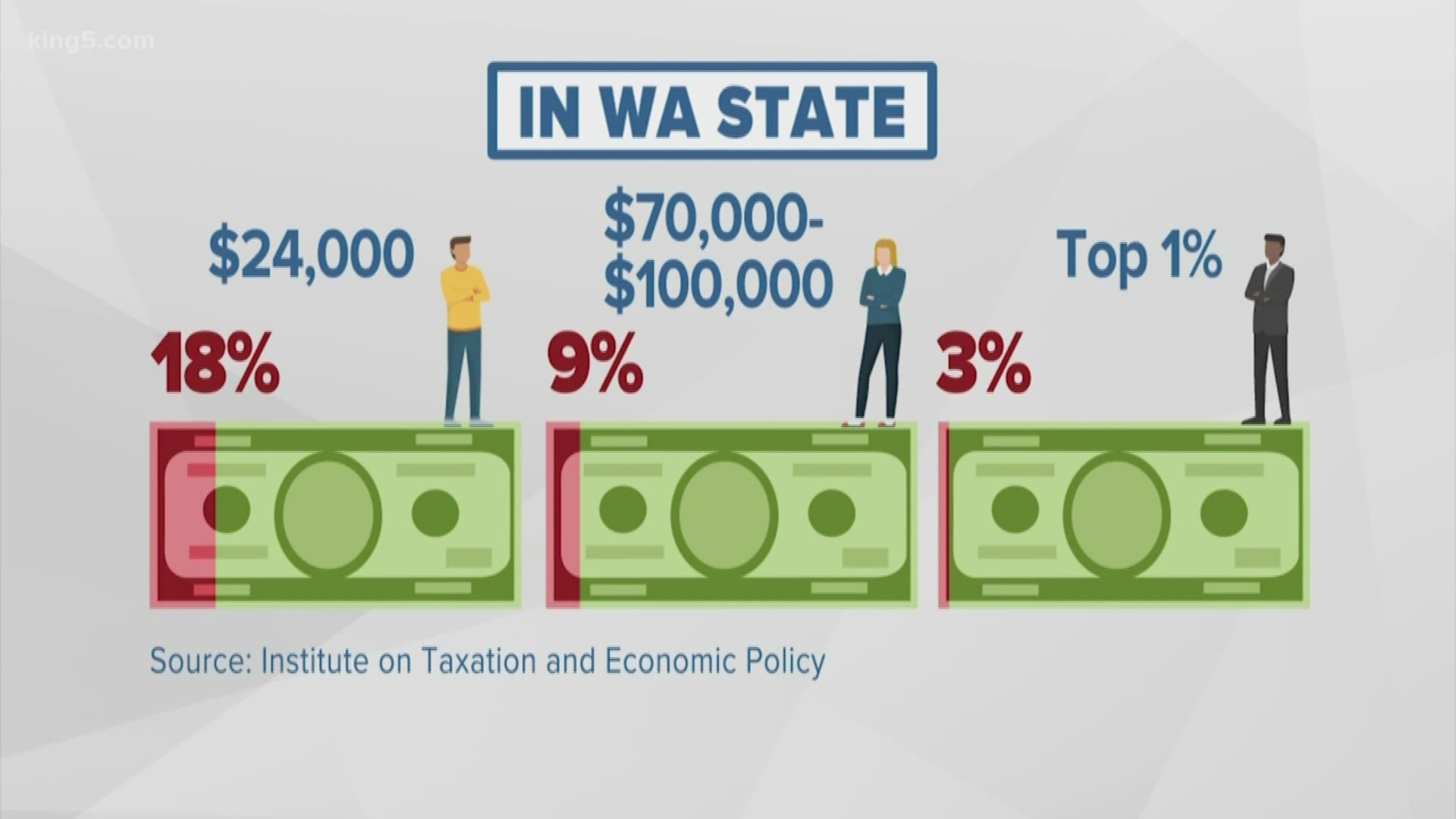
Instead, the state focuses on consumption-based taxation. This means that individuals contribute to state revenue based on how much they spend rather than how much they earn. While this system benefits high-income earners, it can sometimes place a heavier burden on lower-income households.
Business and Occupation (B&O) Tax Explained
Although individuals do not pay a standard income Tax, businesses in Washington are subject to the Business and Occupation Tax. This tax is based on gross receipts rather than net profit, which means businesses must pay taxes regardless of profitability.
For small business owners, understanding this tax is essential. The B&O tax applies to:
- Retail businesses
- Service providers
- Manufacturers
- Wholesalers
The rates vary depending on the type of business activity, making it important to classify business operations correctly.
Sales Tax Impact on Residents
Sales tax is one of the primary revenue sources in Washington. The combined state and local sales tax rates can range between 6.5 percent and 10 percent, depending on the location.
Since there is no traditional income Tax, residents often feel the impact of higher sales taxes in their daily purchases. This includes goods, services, and even some digital products.
Understanding how sales tax works can help individuals budget better and make informed spending decisions.
Washington has one of the most distinctive taxation systems in the United States, and understanding it is essential for anyone who lives, works, or runs a business in the state. Unlike most states, Washington does not impose a traditional personal income Tax on wages or salaries. This unique approach often attracts entrepreneurs, remote workers, and high-income earners who want to retain a larger portion of their earnings. However, this does not mean that residents are exempt from taxation altogether. Instead, the state relies heavily on alternative forms of revenue collection.
One of the most significant aspects of Washington’s system is its dependence on consumption-based taxes. This means that individuals contribute to the economy based on their spending habits rather than their income levels. As a result, sales tax plays a major role in generating state revenue. Additionally, property taxes and business-related taxes such as the Business and Occupation Tax ensure that the government can fund essential public services including education, healthcare, and infrastructure development.
Income Tax Implications for Small Businesses
How Small Businesses Are Taxed
Small businesses in Washington operate under a different system compared to states with a traditional income Tax. Instead of paying tax on profits, businesses are taxed based on gross income through the B&O tax.
This means that even if a business is not making a profit, it still has to pay taxes. This can be challenging for startups and small enterprises that are still growing.
Income Reporting Requirements
Even though Washington does not impose a state-level income Tax, business owners must still report income to federal authorities. This includes:
- Filing annual tax returns
- Reporting all sources of income
- Keeping accurate financial records
Proper documentation ensures compliance and reduces the risk of audits or penalties.
Tax Deductions and Credits
While the state does not offer traditional income Tax deductions, there are still opportunities for businesses to reduce their tax burden. These include:
- Business expense deductions at the federal level
- Credits for certain industries
- Incentives for research and development
Taking advantage of these options can significantly improve profitability.
Managing Tax Liabilities Effectively
Effective tax management is essential for small businesses. Without a traditional income Tax, many business owners underestimate their obligations.
To stay compliant and financially stable:
- Maintain detailed financial records
- Set aside funds for taxes regularly
- Consult a tax professional when needed
Proper planning can prevent unexpected financial stress and ensure smooth business operations.
For individuals and small business owners, it is important to recognize that the absence of a traditional income Tax shifts the financial responsibility to other areas. This can influence budgeting, investment strategies, and long-term financial planning. A clear understanding of how these tax components interact will help residents make informed decisions, avoid unexpected financial burdens, and maintain compliance with all legal requirements in Washington’s unique tax environment.
Personal Finance and Tax Planning in Washington
Budgeting Without State Income Tax
Living in a state without a traditional income Tax can be beneficial, but it requires smart financial planning. Since residents keep more of their earnings, it becomes easier to save and invest.
However, higher sales taxes mean that spending habits need to be carefully managed. Creating a budget that accounts for these costs is essential.
Understanding Federal Tax Obligations
Even though Washington does not impose a state-level income Tax, residents are still required to pay federal income taxes. This includes:
- Income from employment
- Business earnings
- Investment income
Ignoring federal tax responsibilities can lead to serious legal consequences.
Retirement and Investment Planning
Without a state income Tax, Washington residents have an advantage when it comes to retirement savings. Withdrawals from retirement accounts are not taxed at the state level, allowing individuals to maximize their savings.
This makes Washington an attractive state for retirees and long-term investors.
Tax Strategies for Individuals
To make the most of the absence of a traditional income Tax, individuals can adopt smart tax strategies such as:
- Investing in tax-advantaged accounts
- Reducing unnecessary expenses
- Planning major purchases strategically
These strategies help in maintaining financial stability and long-term growth.
Income Tax Examples and Real-Life Scenarios
Example of a Salaried Individual
Consider a person earning fifty thousand dollars annually in Washington. Since there is no state income Tax, the individual only pays federal taxes and other indirect taxes such as sales tax.
This allows the individual to retain more disposable income compared to residents in states with high income taxes.
Example of a Small Business Owner
A small business generating one hundred thousand dollars in revenue will not pay a traditional income Tax at the state level. However, it must pay B&O tax based on gross revenue.
This highlights the importance of understanding how different taxes apply in Washington.
Comparing Washington with Other States
In states with a traditional income Tax, individuals often pay a percentage of their earnings to the state government. In contrast, Washington relies on consumption-based taxes.
This difference can significantly impact financial planning and lifestyle choices.
Key Takeaways from Tax Examples
Real-life examples demonstrate that while Washington does not have a traditional income Tax, residents and businesses are still responsible for other forms of taxation.
Understanding these differences helps individuals make informed decisions and optimize their financial strategies.
Conclusion
In conclusion, understanding Washington tax rates and the overall structure of income Tax is essential for anyone living or doing business in the state. While Washington does not impose a traditional state-level income Tax on individuals, it compensates through other forms of taxation such as sales tax, property tax, and the Business and Occupation Tax. This unique system creates both opportunities and challenges depending on how well individuals and businesses plan their finances.
For salaried individuals, the absence of a state income Tax can lead to higher take-home earnings, making it easier to save, invest, and manage personal finances effectively. On the other hand, higher sales taxes can increase the overall cost of living, requiring smarter budgeting and spending habits. For small business owners, understanding tax obligations such as the B&O tax is critical, since taxes are applied to gross revenue rather than profit.
Ultimately, success in managing taxes in Washington depends on awareness, planning, and consistency. By staying informed about tax rules, maintaining accurate financial records, and applying effective financial strategies, both individuals and businesses can minimize risks and maximize financial stability. A proactive approach ensures long-term growth, compliance, and better control over financial outcomes in Washington’s unique taxation environment.
FAQs
Does Washington have a state income tax?
No, Washington does not impose a traditional state-level income tax on individuals.
What taxes do residents pay instead of income tax?
Residents primarily pay sales tax, property tax, and other indirect taxes.
Do small businesses pay income tax in Washington?
Small businesses do not pay traditional income tax but are subject to the Business and Occupation Tax.
Is Washington a tax-friendly state?
It can be considered tax-friendly for high earners, but higher sales taxes may impact overall expenses.
Do I still have to pay federal income tax?
Yes, all residents must pay federal income tax regardless of state policies.
How can I reduce my tax burden in Washington?
You can reduce your burden through proper financial planning, deductions, and smart spending habits.